 EN

First 24 Hours in Vietnam: Currency Exchange, SIM Setup, Ride-Hailing, and Co-Working Spaces
Last Updated: Wednesday, August 26, 2026
Landing in a vibrant new country like Vietnam is an invigorating experience. From the bustling streets of Ho Chi Minh City to the rich cultural heritage of Hanoi, the energy is undeniable. However, navigating your initial arrival can quickly feel overwhelming if you do not have a game plan. The first day sets the tone for your entire journey—whether you are visiting as a leisure traveler, business explorer, or digital nomad.
To help you hit the ground running, this step-by-step landing checklist covers essential tasks for your first day: exchanging currency, getting connected with local mobile data, booking reliable airport transport, and finding a suitable co-working space.
Clearing the Airport and Currency Exchange Tactics
Your arrival experience begins at major hubs like Tan Son Nhat (SGN) in Ho Chi Minh City or Noi Bai (HAN) in Hanoi. Before stepping into the bustling arrival halls, organizing your immigration, baggage, and local currency needs should be top priorities.
Managing Airport Services and Visa Clearance
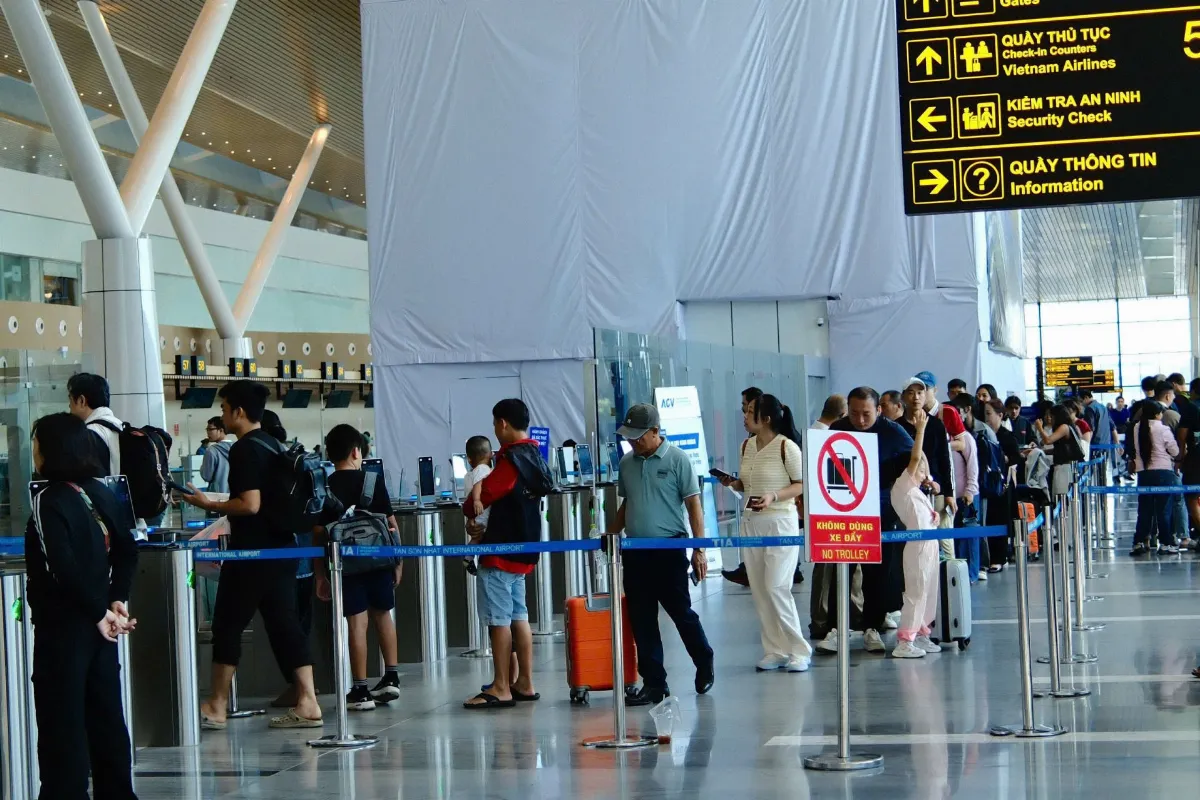
Navigating international arrivals and immigration counters can sometimes mean waiting in long queues. Ensuring your entry paperwork or e-visa is prepared ahead of time saves valuable hours. Travelers looking for seamless airport transfers, fast-track immigration assistance, or dedicated VIP meet-and-greet services can streamline their journey through https://vietnam-airports.com/, ensuring a stress-free transition from the tarmac to the city.
Source: Collected
Best Practices for Exchanging Money (VND)
Vietnam operates primarily on the Vietnamese Dong (VND). While credit cards are widely accepted in major hotels, upscale restaurants, and modern supermarkets, cash remains essential for street food vendors, local markets, and small coffee shops.
-
Airport Exchange Desks: Convert a small initial amount (around $50 to $100 USD) at airport currency booths to cover immediate tips, small purchases, or backup transport.
-
City Gold Shops & Banks: For significantly better exchange rates, exchange larger sums at licensed bank branches or official currency exchange counters located in city centers (such as Ha Trung Street in Hanoi or near Ben Thanh Market in Ho Chi Minh City).
-
ATM Withdrawals: Major bank ATMs (VPBank, TPBank, BIDV) allow cash withdrawals using international cards. Look for ATMs with low foreign transaction fees.
Setting Up Mobile Connectivity: SIM vs. eSIM
Staying connected to high-speed mobile internet is crucial from the moment you step out of the arrival gate, especially for navigation and ride-hailing services.
Physical SIM Cards at the Airport
When exiting customs, you will encounter numerous carrier counters selling tourist physical SIM cards. Major local operators include:
-
Viettel: Offers the most extensive network coverage across rural areas, islands, and major cities.
-
Mobifone: Excellent speed and reliable coverage within urban and suburban centers.
Airport SIM packages typically range from $10 to $20 USD, offering daily data allowances (3GB to 6GB per day) valid for 15 to 30 days.
Setting Up an eSIM Before Arrival
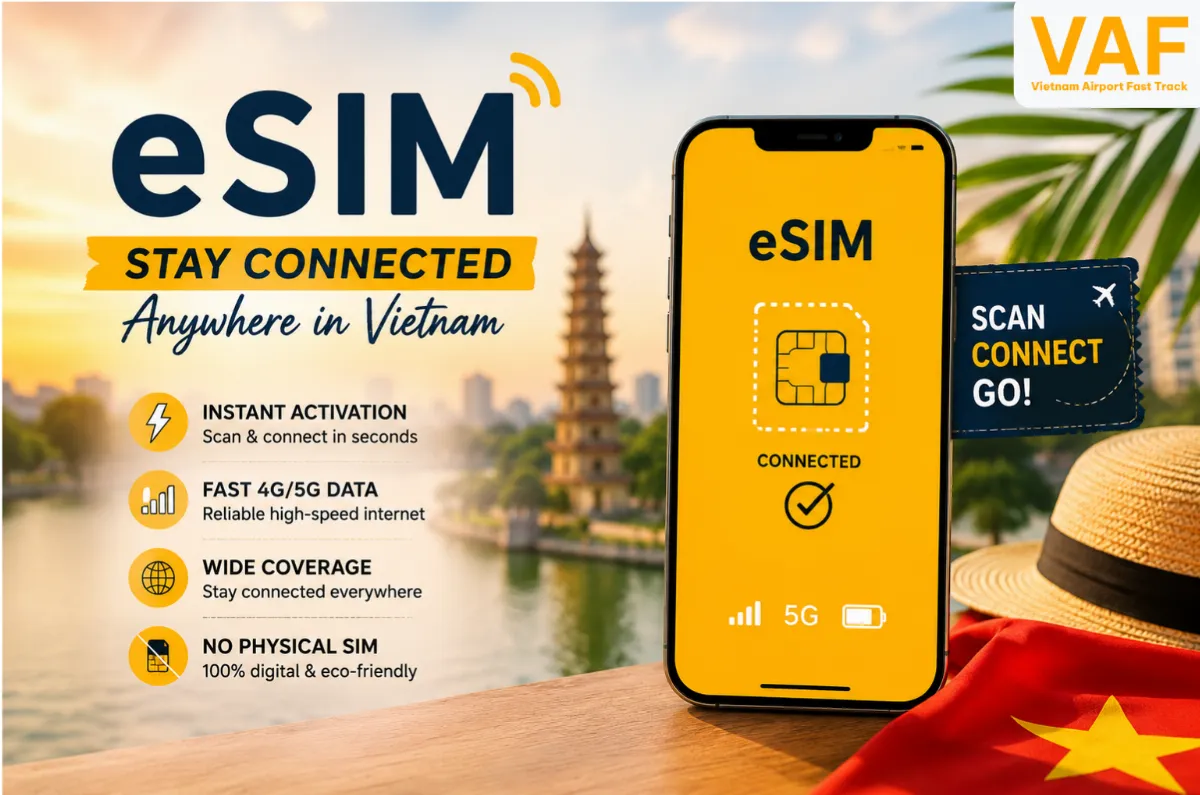
If your phone supports eSIM technology, purchasing and activating an electronic profile prior to landing is often the most convenient route. You can activate your plan upon landing, instantly acquiring mobile data without swapping physical cards or waiting in kiosk queues.
Navigating Transport with Ride-Hailing Apps
Navigating Vietnamese city traffic can be daunting for first-time visitors. Traditional airport street taxis may occasionally overcharge unfamiliar tourists. Utilizing ride-hailing apps provides upfront pricing, GPS tracking, and cash-free payments.
Essential Ride-Hailing Apps to Download
Before leaving the terminal's free Wi-Fi zone, ensure you have downloaded and configured these primary ride-hailing platforms:
-
Grab: The dominant super-app across Southeast Asia. You can book private cars (GrabCar) or motorbike taxis (GrabBike), order food, and pay directly via linked international credit cards.
-
Xanh SM: A rapidly growing fleet of 100% electric vehicles and motorbikes. Xanh SM cars are known for clean interiors, quiet rides, and professional drivers.
-
Be: A popular local alternative offering competitive pricing for both cars and motorbikes in major metro areas.
Airport Pickup Points
At airports like Tan Son Nhat and Noi Bai, ride-hailing drivers gather at designated pickup lanes. Follow the terminal signage directing passengers to ride-hailing pickup zones (such as multi-story parking structures or marked lanes outside the main arrival exit).
Settling Into a Co-Working Space on Day One
For remote workers and digital nomads, securing a reliable work environment with high-speed Wi-Fi, power outlets, and comfortable seating is an immediate priority.
Top Co-Working Hubs in Ho Chi Minh City and Hanoi
Vietnam boasts a booming remote work scene with modern, world-class co-working facilities:
-
Ho Chi Minh City (Saigon): Areas like District 1 and Thao Dien (District 2) host popular hubs such as The Hive, Dreamplex, and CirCO. These locations offer flexible day passes, quiet phone booths, and vibrant networking events.
-
Hanoi: Neighborhoods around Tay Ho (West Lake) and Hoan Kiem feature excellent spaces like Toong, UP Co-working, and COGO, blending contemporary design with local coffee culture.
Coffee Shop Work Culture
If you prefer a casual workspace, Vietnam's famed cafe culture is exceptionally remote-worker friendly. Specialty coffee chains like Highlands Coffee, The Coffee House, and independent specialty roasters provide strong Wi-Fi, abundant outlets, and delicious iced coffee (Cà phê sữa đá).
Conclusion
By taking care of essential tasks during your first 24 hours—securing a small amount of cash, getting your eSIM active, using trustworthy ride-hailing apps, and finding a comfortable co-working environment—you eliminate standard travel friction. With these logistical steps completed, you are fully equipped to relax and immerse yourself in Vietnam's rich culture, delicious cuisine, and warm hospitality.
Frequently Asked Questions (FAQ)
Q1: Is it safe to use credit cards in Vietnam?
Yes, credit cards (Visa and Mastercard) are widely accepted at established hotels, modern restaurants, supermarkets, and shopping malls. However, always carry some cash (VND) for small local vendors, taxis, and street food stalls.
Q2: Can I set up ride-hailing apps like Grab before arriving in Vietnam?
Yes! You can download Grab and set up your account profile using your home phone number and international credit card before traveling. Once you land and connect to data, the app will work seamlessly.
Q3: What is the average cost of a co-working day pass in Vietnam?
A single day pass at a professional co-working space typically ranges from 150,000 VND to 300,000 VND (approximately $6 to $12 USD), which usually includes high-speed internet, free coffee/tea, and common area access.
Key Takeaways
-
Cash Ready: Exchange a small sum of VND at the airport for immediate needs, then use city banks or licensed exchange counters for better rates.
-
Stay Connected: Activate an eSIM before landing or purchase a local physical SIM (Viettel, Vinaphone) at the airport for continuous GPS and communication.
-
Ride Smart: Rely on ride-hailing apps like Grab or Xanh SM to avoid fare disputes and enjoy transparent, upfront pricing from the airport.
-
Work Seamlessly: Utilize well-equipped co-working spaces or remote-friendly cafes in major hubs like Saigon and Hanoi for reliable workspace needs.
👉 VAF – Your trusted travel and connectivity partner in Vietnam. Book here
If you have any questions or need personalized guidance, don’t hesitate to reach out to our expert team:
-
Whatsapp: +84379522522
-
Hotline: +84.379.522.522
-
Email: [email protected]