
 EN

Can Foreigners Buy Property in Vietnam in 2026? A Complete Guide

Last Updated: Tuesday May 12, 2026
The Vietnamese real estate market has long been a magnet for international investors. As we move into 2026, the landscape has shifted significantly due to the full implementation of the 2024 Land Law and the Law on Housing. Whether you are an expat looking for a home in Ho Chi Minh City or an investor eyeing coastal resorts in Da Nang, understanding the current legal framework is essential.
*The below information is for reference only.
1. The Legal Framework: Can Foreigners Own Property in Vietnam?
The short answer is yes, but with specific conditions. Vietnam does not allow private ownership of land; instead, land is collectively owned by the people and managed by the State. Foreigners and locals alike gain "Land Use Rights" (LUR).

Photo: Collected
Ownership Duration and Extensions
For foreign individuals, the standard ownership period is 50 years. However, the law allows for a one-time extension of another 50 years, effectively giving you a 100-year leasehold. If you are married to a Vietnamese citizen, you are entitled to freehold ownership, similar to a local.
Eligible Foreign Entities
To buy property in 2026, you must fall into one of these categories:
-
Foreign individuals with a valid entry visa (not exempt from diplomatic or consular immunity).
-
Foreign-invested enterprises operating in Vietnam.
-
Foreign representative offices or branches of international organizations.
2. Key Changes in the 2026 Real Estate Market
The Vietnam real estate law 2026 updates have streamlined several processes that were previously bottlenecks for international buyers.
Expansion of Rights for Overseas Vietnamese (Viet Kieu)
One of the biggest shifts in 2026 is the near-equalization of property rights for Overseas Vietnamese. If you retain Vietnamese citizenship or can prove Vietnamese origin, your rights to purchase, inherit, and manage property are now almost identical to those of domestic citizens.
Digital Land Registries
By 2026, the national database on land has become more transparent. This reduces the risk of "ghost projects" and ensures that the Vietnam property market for expats is safer than it was a decade ago. Investors can now verify titles and planning maps through official government portals more reliably.
3. Quotas and Restrictions You Must Know
While the market is more open, the Vietnam housing market 2026 still maintains strict quotas to ensure housing security for locals.
The 30% Rule for Condominiums
Foreigners can own no more than 30% of the total units in a single apartment building. This is a crucial metric for investors; once a popular project hits this limit, foreigners can only buy from other foreigners (sub-lease/transfer).
Landed Property Restrictions
In a single ward-equivalent administrative unit, foreigners are restricted to owning no more than 250 houses (including villas or townhouses). Furthermore, foreigners are generally barred from owning property in areas deemed vital for national security or defense.
4. Step-by-Step Guide to Buying Property in Vietnam
Navigating the bureaucracy requires diligence. Here is the standard procedure for 2026:
Step 1: Deposit and Reservation
Once you find a property, you sign a reservation agreement and pay a deposit. Ensure the developer has the "Pink Book" (Ownership Certificate) or the necessary permits for a project under construction.
Step 2: Sales and Purchase Agreement (SPA)
The SPA is the most critical document. It must be translated into English, but the Vietnamese version holds legal priority. Check for payment schedules, handover dates, and maintenance fees.
Step 3: Payment and Taxes
Payments must be made through a Vietnamese bank account.
-
Registration Tax: 0.5% of the property value.
-
Value Added Tax (VAT): Usually 10% (often included in the price).
-
Maintenance Fund: 2% of the apartment price.
Step 4: Applying for the Pink Book
After the handover, the developer or the buyer applies for the Certificate of Land Use Rights, House Ownership and Other Assets Attached to Land (the "Pink Book"). In 2026, the timeline for this has been shortened due to administrative reforms.
Pro Tip: Before buying, ensure your visa status is clear. For professional assistance with visas or residency permits, visit Vietnam-Immigration Services to ensure you meet all entry requirements for property ownership.
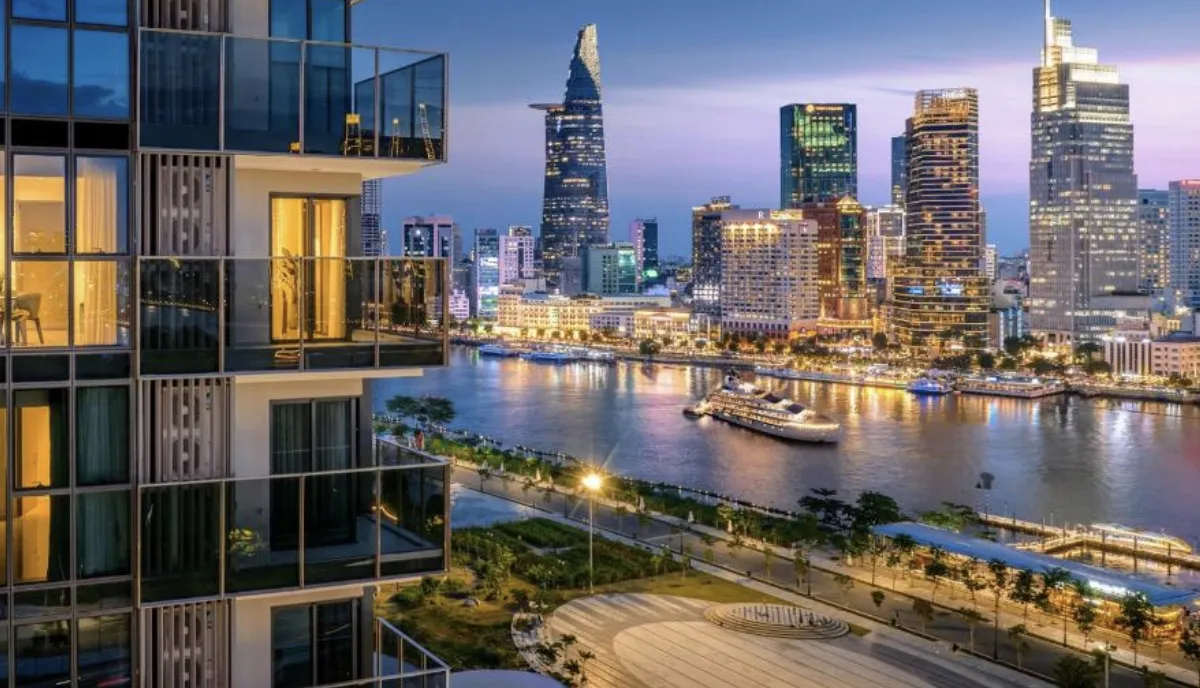
Photo: Collected
5. Best Property Investment Areas in Vietnam for 2026
-
Ho Chi Minh City (HCMC): Districts 2 (Thao Dien/Thu Thiem) and District 7 remain the top choices for high rental yields.
-
Hanoi: The Western areas (Nam Tu Liem) and Long Bien are booming due to new infrastructure and metro lines.
-
Da Nang & Nha Trang: Ideal for those looking for vacation homes or Airbnb-style investments.
-
Binh Duong & Dong Nai: Emerging hubs for industrial-adjacent residential real estate.
👉 VAF – Your trusted travel and connectivity partner in Vietnam. Book here
If you have any questions or need personalized guidance, don’t hesitate to reach out to our expert team:
Whatsapp: +84379522522
Hotline: +84.379.522.522